Spider Veins (Telangiectasia)
Tiny red, blue, or purple web-like clusters appearing on the surface of the thighs, knees, calves, and ankles.
Microsclerotherapy in Manchester
Red, blue, or purple spider veins and larger green reticular veins on the legs can cause self-consciousness and discomfort. Fenix’s Microsclerotherapy provides a gold-standard, non-surgical treatment for these unwanted veins.
Laser therapy is great for facial veins, but Microsclerotherapy is best for leg veins. An ultra-fine needle injects a sclerosing agent into the vessels, collapsing the vein wall. The body absorbs the inactive vein, rerouting blood flow through healthier networks, leaving your legs smooth and clear.

How it works
Microsclerotherapy relies on a precise, targeted chemical reaction to permanently close malfunctioning superficial veins.
The Vascular Closure Process:
Targeted Micro-Injection: Using a magnifying light for accuracy, a sclerosing agent (such as sodium tetradecyl sulfate) is injected directly into the spider vein or its “feeder” reticular vein.
Endothelial Irritation: The sclerosant intentionally irritates the inner lining (endothelium) of the blood vessel.
Vessel Collapse: The irritation causes the vein walls to swell, stick together, and seal shut, halting blood flow through the damaged vessel.
Natural Reabsorption: Over a period of weeks, the body’s lymphatic system breaks down the collapsed vein, turning it into tiny scar tissue that fades completely from the skin’s surface.
Areas Treated
Tiny red, blue, or purple web-like clusters appearing on the surface of the thighs, knees, calves, and ankles.
Larger blue-green veins sit deeper under the skin, supplying blood to superficial spider veins.
Removing the appearance of “aged” or bruised-looking legs.
Alleviating the minor aching, throbbing, or itching sometimes associated with superficial venous congestion.
The Process
Our practitioner conducts a thorough examination of your leg veins (sometimes utilizing a Doppler ultrasound) to ensure there is no underlying deep vein insufficiency that requires surgery.
The skin is cleansed with clinical antiseptics, and a specialized polarized light is used to visualize the vascular network beneath the skin.
Using exceptionally fine needles, the sclerosing solution is systematically injected into the target veins. You will see the veins temporarily “blanch” or disappear as the fluid pushes the blood out.
Cotton pads or tape may be applied to injection sites, followed immediately by fitting medical-grade compression hosiery to keep the treated veins firmly compressed and sealed.

Key Benefits

Proven to be significantly more effective for leg veins than surface laser treatments.
By targeting the deeper reticular “feeder” veins, it prevents spider veins from rapidly returning.
No general anesthesia or surgical incisions; you can walk immediately after the procedure.
Once a treated vein is fully absorbed, it is gone for good.
Candidacy
You are likely an ideal candidate if you:
Individuals in good overall health seeking to remove superficial leg spider veins and small reticular veins.
Clients who are prepared to wear compression stockings and follow a slightly restricted activity protocol for a couple of weeks post-treatment.
All fit skin types requiring safe, effective vascular clearing.
Who Should Avoid Treatment:
Individuals with a history of Deep Vein Thrombosis (DVT) or blood clotting disorders.
Women who are currently pregnant or breastfeeding.
Patients with large, bulging varicose veins (these require endovenous thermal ablation or surgical stripping).
Individuals unable to wear tight compression hosiery.

Aftercare
To maximize your results and maintain a smooth recovery:
You must wear your prescribed Class 2 compression stockings continuously (day and night) for the first 3–7 days, then during the day for another week. This is the most critical step for success.
Walk for 20–30 minutes every day to promote deep vein circulation and prevent clots.
Refrain from heavy weightlifting, intense running, or high-impact aerobics for 1 to 2 weeks.
No hot baths, saunas, or direct sun exposure on the legs for 4 weeks to prevent brown hyperpigmentation (staining) at the injection sites.
Side Effects
Microsclerotherapy is highly safe, but the healing process takes time. Normal, expected responses include:
Bruising: Significant bruising around the injection sites is entirely normal and can take 2 to 4 weeks to fade.
Hemosiderin Staining: A temporary brown discoloration along the vein line (caused by trapped iron pigment). This usually fades over a few months.
Trapped Blood (Micro-thrombi): Small, tender, dark lumps may form in larger treated veins. These are harmless and can be safely drained by your practitioner at a follow-up appointment if they do not resolve naturally.
Our practitioners will assess your facial anatomy, listen to your goals, and recommend only what is genuinely suited to you — with no pressure and no obligation.
Before and After
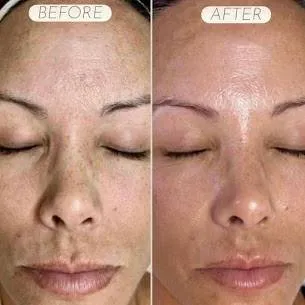
Explore real before-and-after transformations from clients who cleared leg spider veins, settled the deeper reticular veins feeding them, and returned to smooth, even-toned legs through our Microsclerotherapy protocols.
FAQ
Between 30 and 45 minutes, covering the vascular assessment, cleansing and illuminating the leg, the micro-injections themselves, and fitting your compression hosiery before you leave.
Exceptionally fine needles are used, and a specialized polarized light lets the practitioner place each injection precisely. There is no general anaesthesia and no surgical incision.
The veins blanch during the injection itself, but the collapsed vessel takes weeks to clear: the lymphatic system breaks it down gradually, and the bruising fades over 2 to 4 weeks first.
Once a treated vein is fully absorbed it is gone for good. Because the deeper reticular feeder veins are treated too, new spider veins are slower to return.
Laser is the better choice for facial veins and Microsclerotherapy for leg veins, so the two are often planned together at the vascular assessment.
Significant bruising around the injection sites for 2 to 4 weeks, temporary brown hemosiderin staining along the vein line, and occasionally small tender lumps of trapped blood, which your practitioner can drain at a follow-up.
Yes, and it is the single most important step. Class 2 stockings go on day and night for the first 3 to 7 days, then during the day for another week.
Walk 20 to 30 minutes daily from the start, to keep the deep veins moving. Leave heavy weightlifting, intense running and high-impact aerobics for 1 to 2 weeks.
Hot baths, saunas and direct sun on the legs for 4 weeks — heat and UV are what turn the injection sites brown.
No. It is not suitable with a history of DVT or a clotting disorder, during pregnancy or breastfeeding, for large bulging varicose veins, or for anyone unable to wear tight compression hosiery.
Book your Microsclerotherapy consultation at Fenix today for a thorough vascular assessment and a personalized treatment plan.